TO: The Esteemed Readers and Gastronomes of this Publication
FROM: MLR, Food Systems Analyst
DATE: Janurary 4, 2026
RE: Comprehensive Analysis of Japan’s “Raw-by-Design” Egg System and Gastronomic Applications
Executive Summary: The Golden Standard of Trust
For many international travelers, the sight of a Japanese diner cracking a raw egg over steaming rice triggers immediate concern. In most food cultures, uncooked eggs represent a significant biological risk. But in Japan, this simple act—performed millions of times daily across breakfast tables, high-end restaurants, and humble izakayas—reveals something profound: a food system built on absolute, engineered trust.
The Claimant has conducted extensive research into what makes Japanese eggs uniquely suited for raw consumption. This is not merely cultural bravado or culinary recklessness—it is the result of precision engineering, rigorous safety protocols, and a national commitment to treating eggs as premium fresh produce rather than shelf-stable commodities. This report deconstructs the infrastructure enabling Japan’s raw egg culture and identifies the elite Tokyo establishments where this system achieves its most delicious expression.
Research Methodology
This investigation combines multiple analytical approaches to provide a holistic view of the “Japanese Egg System”:
- National Food Safety Analysis: Review of GP Center protocols, freshness standards, and industry regulations (2024-2025).
- Field Observations: Direct investigation across Tokyo’s specialist egg establishments.
- Culinary Technique Research: Analysis of raw and semi-cooked egg applications in Japanese cuisine.
- Supply Chain Documentation: Verification of farm-to-table tracking and cold chain requirements.
Findings
Issue 1: The “Raw-by-Design” Infrastructure
Japanese eggs are not biologically superior to eggs found elsewhere. What makes them safe for raw consumption is the systematic infrastructure surrounding every egg from the moment it is laid until it reaches the consumer’s bowl.
The GP Center Protocol: Where Safety Begins
Every egg sold in Japan passes through a high-tech “Grading & Packing” (GP) Center. These facilities function as the ultimate quality control gatekeepers.
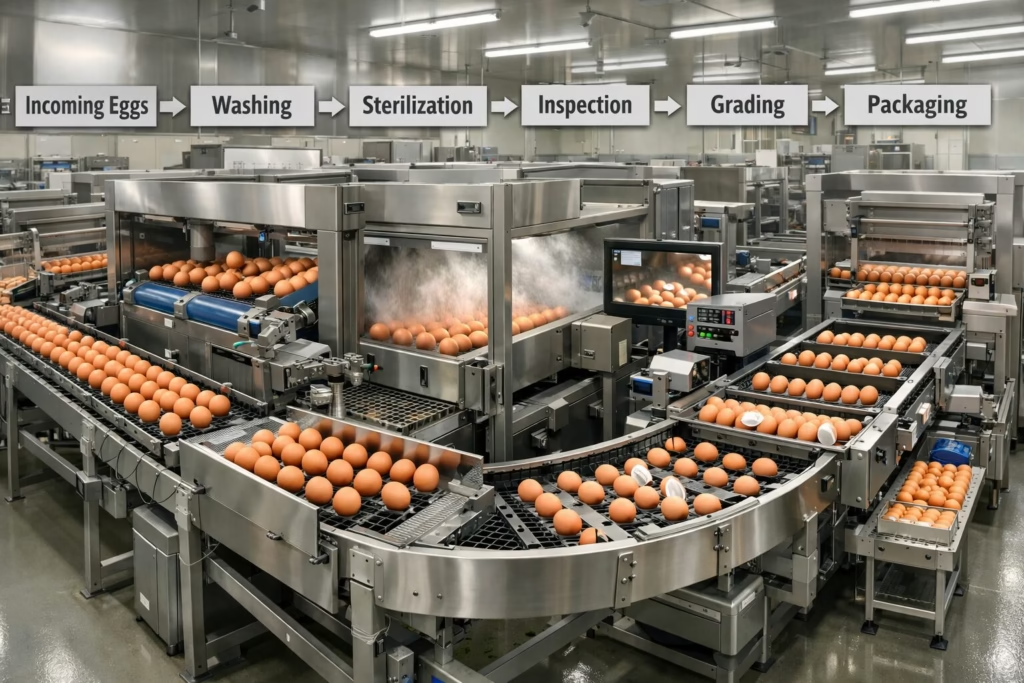
- Sterilization & Cleaning: Eggs undergo thorough washing and disinfection using ozone water or chlorine solutions. This eliminates bacteria on the shell surface—the primary vector for Salmonella contamination.
- High-Tech Scanning: Automated systems employ laser technology and acoustic sensors to detect microscopic cracks invisible to the human eye, blood spots within the egg, or internal abnormalities.
- Farm-Level Assurance: Poultry farms undergo mandatory testing for Salmonella and maintain strict feed management to ensure flock health from the start.
The 21-Day Freshness Promise
The “Best Before” date (賞味期限, shōmi kigen) on a Japanese egg carton represents a unique safety philosophy.
- Raw Consumption Window: Set at 14–21 days from laying, this marks the deadline for safe raw consumption. It is a scientifically calculated safety boundary.
- The Dual Timeline System: Japanese eggs operate on two windows. Within the Best Before date, they are safe for raw use. Beyond that, they remain safe for 2-3 weeks provided they are thoroughly cooked. The entire supply chain is designed around the highest standard: raw consumption.
Issue 2: The Gastronomic Genius of Japanese Egg Culture
Raw and semi-cooked eggs in Japanese cuisine serve functional purposes that fully cooked eggs cannot replicate. The safety infrastructure unlocks these culinary possibilities.
1. Tamago Kake Gohan (TKG): The Soul Food Ritual
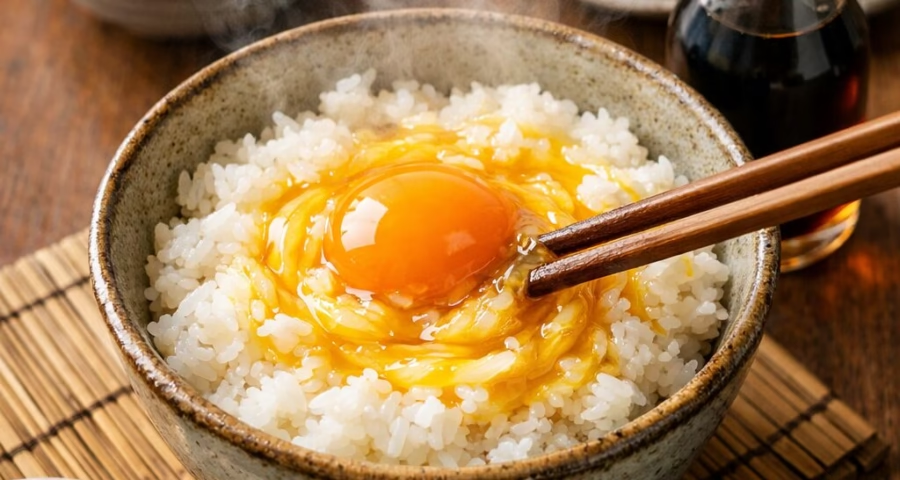
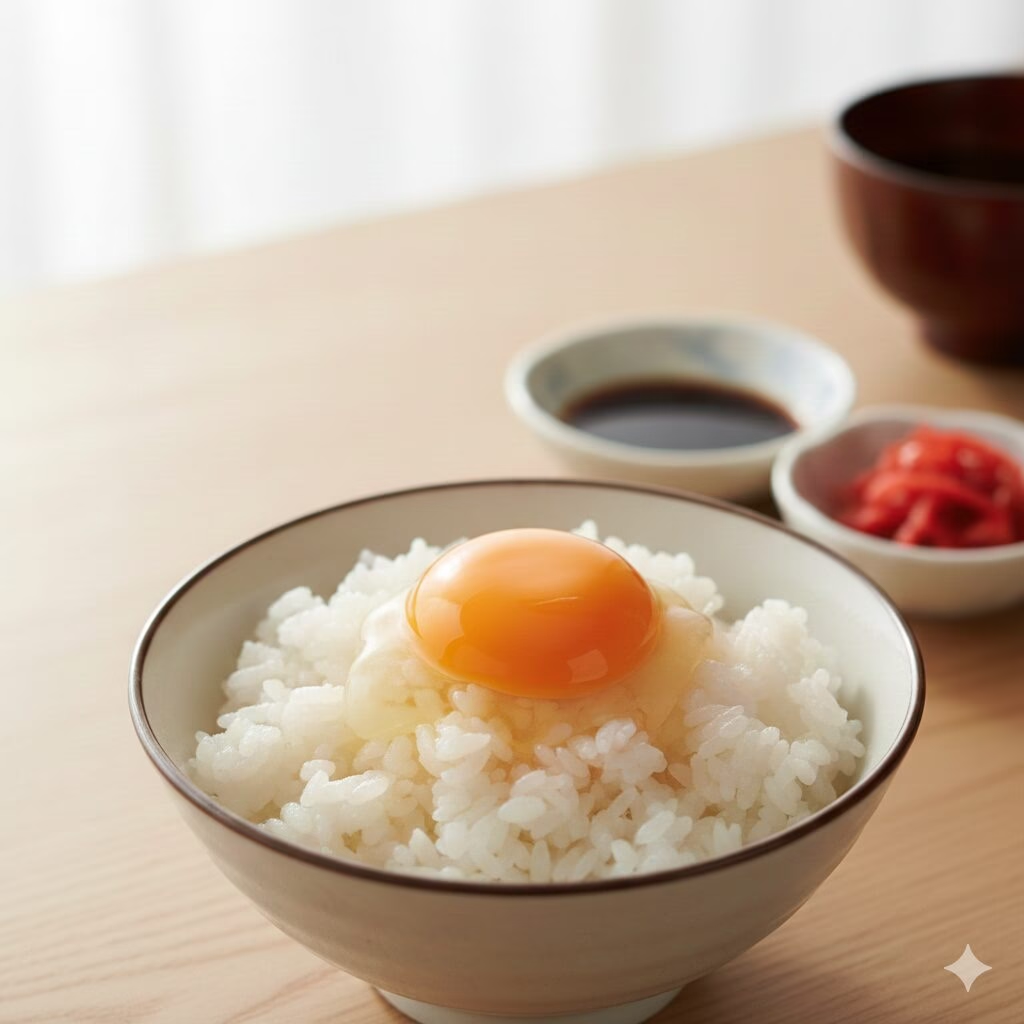
TKG (卵かけご飯) represents Japanese breakfast minimalism. It creates profound satisfaction from just three ingredients: rice, egg, and soy sauce.
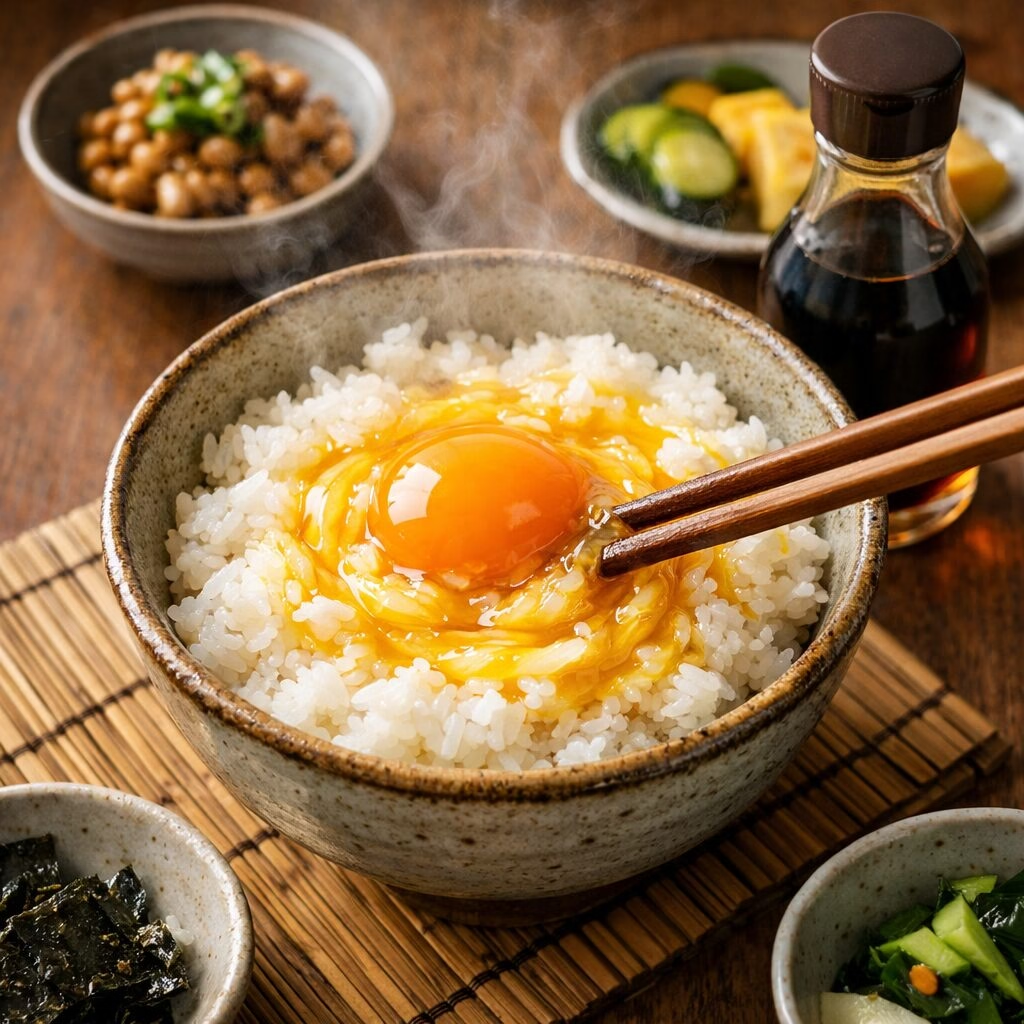
- The Physics: The heat of freshly cooked rice (approximately 65-70°C) slightly coagulates the egg white proteins while leaving the yolk liquid. This creates a silky, aerated texture that coats each grain.
- The Technique: Traditionalists recommend cracking the egg directly onto hot rice, adding TKG-specific soy sauce, and mixing vigorously for 20-30 seconds to incorporate air.
2. The Lipid Buffer Function (Sukiyaki Application)
Egg yolk contains approximately 32% fat. In dishes like Sukiyaki, the raw egg serves as a “palate engineering” tool.
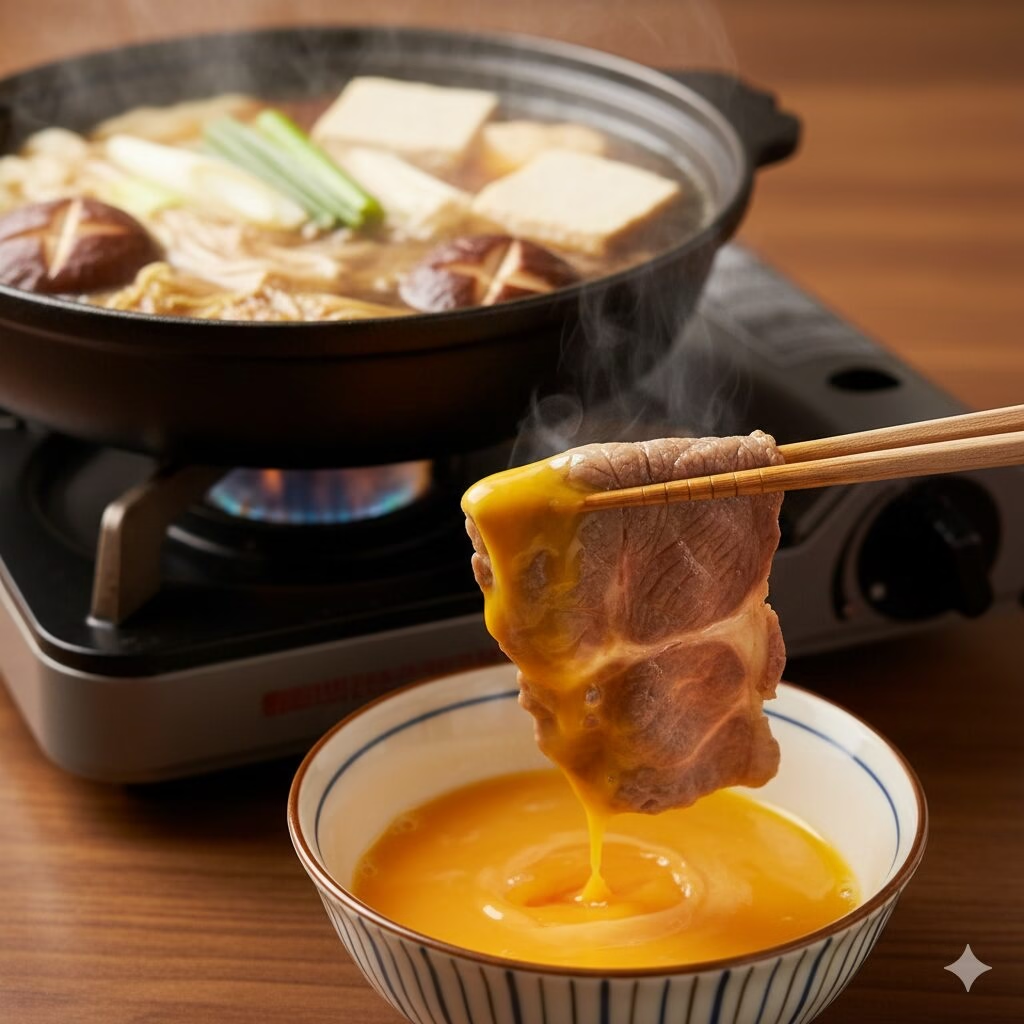
- The Chemistry: The lipids in the yolk create a coating that reduces perceived saltiness by 30-40% and adds a velvety mouthfeel. It buffers the extreme sodium of the sweet-salty broth while preserving the meat’s flavor complexity.
3. The “Fuwa-Toro” (Fluffy-Runny) Aesthetic
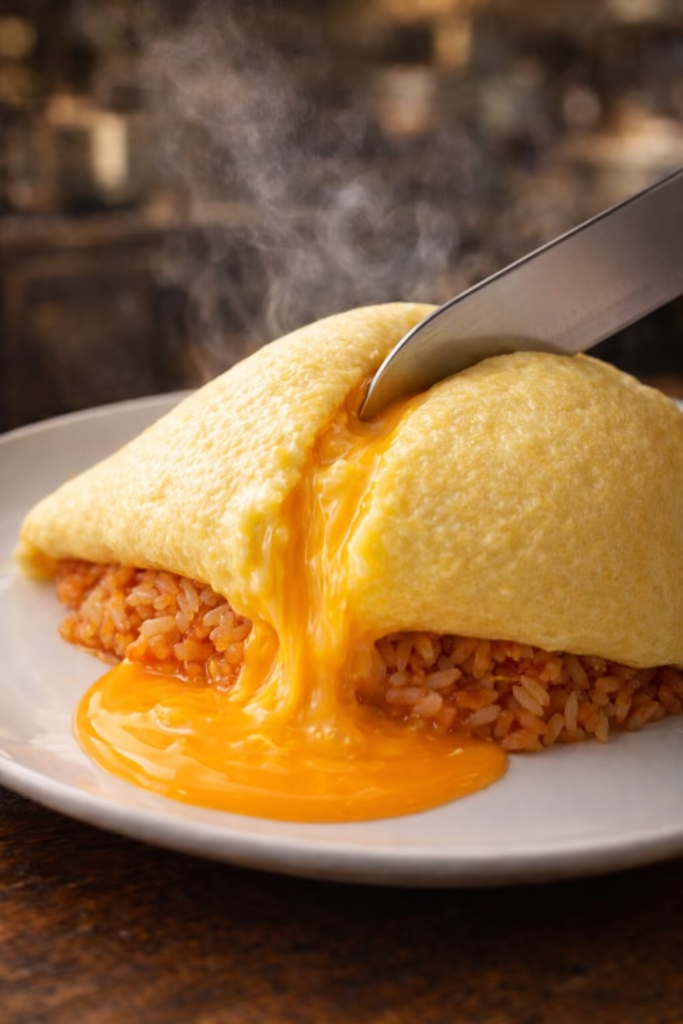
- Omurice (Fuwa-Fuwa Style): Cooked to roughly 70% doneness, the interior remains liquid. Slicing it open at the table allows the center to flow like a sauce—a presentation only possible through national trust in egg safety.
- Oyako-don (Toro-Toro Style): Eggs added in the final 15-20 seconds of cooking create a unified, molten texture that merges chicken, onion, and egg into a single experience.
Issue 3: The Sensory Excellence of Japanese Eggs
Beyond safety, Japanese egg culture recognizes eggs as artisanal ingredients worthy of connoisseurship.
The Spectrum of Yolk Color
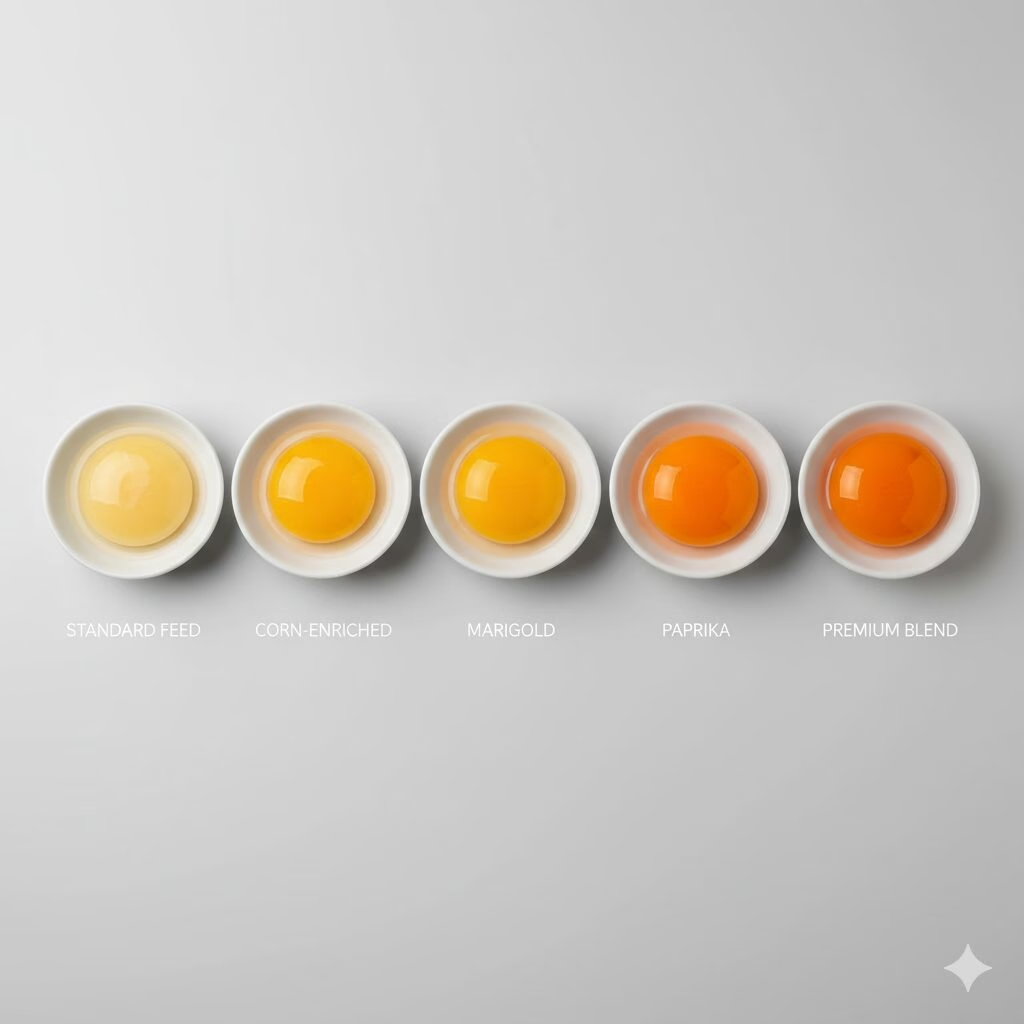
- Color vs. Quality: Yolk color is a result of the hen’s diet (e.g., marigold or paprika). While color doesn’t indicate safety, deeper orange yolks often correlate with premium feed investment and a more pronounced umami flavor profile.
Brand Eggs (Burando Tamago)
- Feed Specialization: Citrus-fed (Yuzu-tama), kelp-enriched, or herb-fed varieties.
- Price Tiers: Standard eggs (¥200-300 per 10 eggs) vs. Brand eggs (¥400-800) vs. Ultra-premium varieties that can exceed ¥1,000.
Professional Assessment: A System Built on Trust
Standing in a Tokyo supermarket at 7 AM, the Claimant observes a diverse crowd—businessmen, students, and retirees—all reaching for egg cartons with absolute, casual confidence. They check only the date, then proceed. This represents the ultimate success metric: not just the absence of fear, but the absence of the need for fear.
The Verdict: The Claimant respectfully submits that Japanese eggs are a national achievement in food systems engineering. The system works because every participant operates with the “raw consumption moment” in mind. Japanese eggs are not just safe; they are a masterpiece of culinary trust.
Recommendations for Further Investigation: Elite Tokyo Establishments
Category 1: TKG Specialists (The Raw Purists)
- Tamago-gurashi (たまご暮らし) – Omotesando
- Location: Omotesando Station, Exit A2, 3-minute walk
- Price Range: ¥1,200 – ¥1,800
- English Menu: Yes
- Pro Tip: Order the “Tasting Course” to compare three premium egg brands side-by-side with flavor notes.
- Nakau (なか卯) – Nationwide Chain (High Accessibility)
- Location: Major stations (Shinjuku, Shibuya, etc.) and roadside locations nationwide.
- Price Range: ¥300 – ¥600 (Breakfast sets)
- English Menu: Yes (Multilingual touchscreen ticket machines)
- Pro Tip: For a high-quality “entry-level” TKG experience, try their “Kodawari Tamago” breakfast set. Nakau is famous for its deep orange, premium yolks that rival boutique shops.
Category 2: Omurice Icons (The Fuwa-Toro Masters)
- Taimeiken (たいめいけん) – Nihonbashi
- Location: Nihonbashi Station, Exit B12, 2-minute walk
- Price Range: ¥1,600 – ¥2,200
- English Menu: Yes
- Pro Tip: Famous for “Tampopo Omurice”; expect a 20-40 minute wait during peak lunch.
- Kissaten YOU (喫茶YOU) – Ginza
- Rakeru (ラケル) – Nationwide Specialty Chain
- Location: Shibuya, Shinjuku, and major shopping malls nationwide.
- Price Range: ¥1,000 – ¥1,500
- English Menu: Yes
- Pro Tip: Rakeru exclusively uses “Yodo-ran Hikari,” Japan’s first branded egg, known for its deep umami and high nutritional value. Be sure to order a set that includes their signature “Rakeru Bread”—a warm, buttery roll that perfectly complements the rich omurice.
Category 3: Oyako-don Authorities (The Historic Soul)
- Nakau (なか卯) – Nationwide Chain (The “Quick & Quality” Standard)
- Location: Ubiquitous in major cities and near most JR stations.
- Price Range: ¥450 – ¥800
- English Menu: Yes (Touchscreen ordering)
- Pro Tip: Nakau’s Oyako-don is their signature dish. It uses the same “Kodawari Tamago” found in their TKG sets, cooked to a perfect semi-runny state. It is widely considered the most consistent and accessible high-quality Oyako-don available throughout Japan.
- Toritsune Shidendo (鳥つね自然洞) – Suehirocho
- Location: Suehirocho Station, Exit 3, 3-minute walk
- Price Range: ¥1,600 – ¥2,400
- English Menu: Limited
- Pro Tip: Order the “Tokusei” (Special) version for the maximum molten egg texture.
Practical Considerations: The Mindful Consumer
- Date Verification: Always confirm the 賞味期限 (Best Before date). This is the hard deadline for safe raw consumption. (Format: YYYY/MM/DD).
- Cold Chain Discipline: Refrigerate eggs immediately after purchase (0-10°C). Never leave them at room temperature for more than 2 hours.
- Health Guardrail: While exceptionally safe, those with compromised immunity, pregnant women, or young children should consult healthcare providers before consuming raw foods.
FAQ
Q: Why are Japanese yolks so orange? A: It is due to specific feed components like marigold or paprika. While color doesn’t change safety, it often signals a premium, flavor-focused diet and higher carotenoid content.
Q: Can I bring these eggs back to my home country? A: No. International customs prohibit the export of raw eggs. The eggs’ safety status depends on Japan’s specific end-to-end cold chain, which cannot be guaranteed during travel.
Q: What if I don’t like the texture of raw egg white? A: Try the “meringue” method: beat the white vigorously with chopsticks for 30-45 seconds until frothy before adding the yolk. This creates a cloud-like texture that is much more palatable.
The Claimant respectfully submits that Japanese eggs represent a national achievement in food systems engineering. What appears to outsiders as “risky behavior” is, in reality, calibrated confidence in superior engineering.
Internal Links:
Leave a Reply